1. Define the scope
The crew agrees with the owner on the area, the material and the goals. Questions about insurers, inspectors and timing are welcome at this stage.
Philadelphia, PA · Philadelphia County
Need hazmat cleanup in Philadelphia, PA? Call 911 first if anyone is in danger, then call (877) 812-4220. Crews identify the material, contain the spread, remove contaminated items and haul the waste away.
If anyone is in danger, call 911 first. For a suicide crisis, call or text 988.
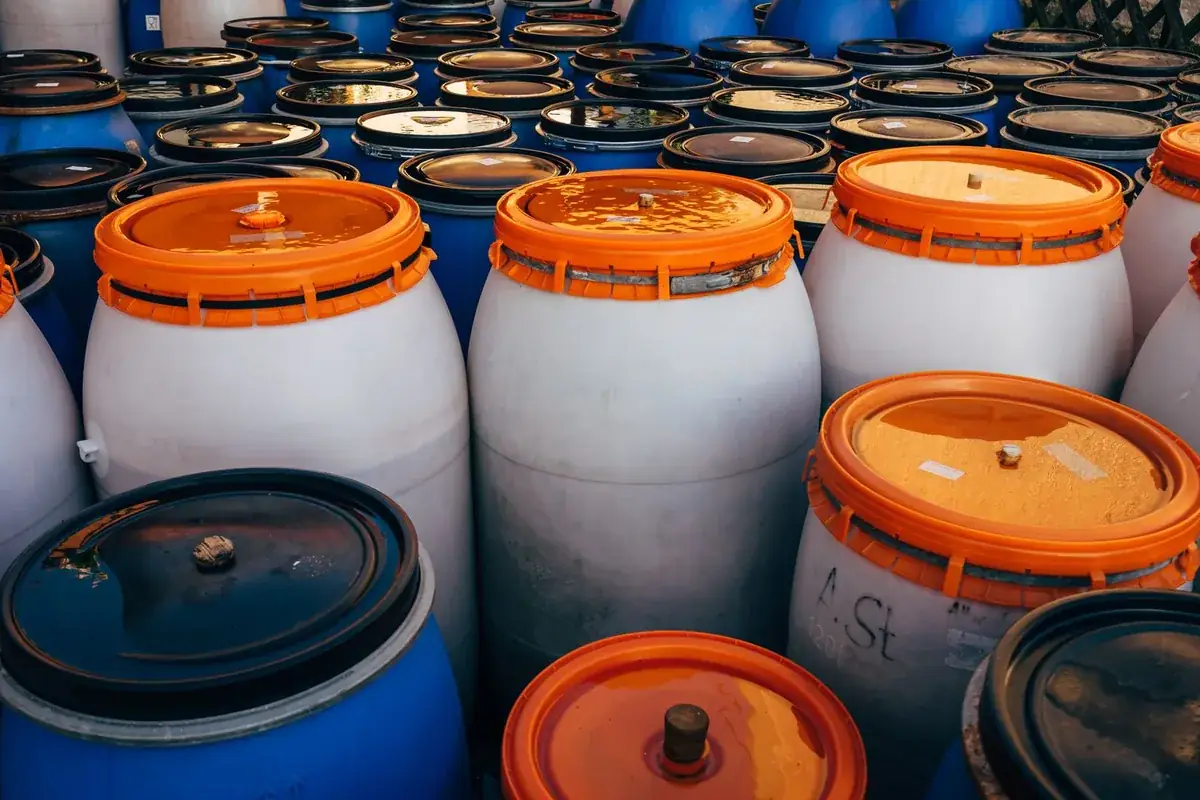
Hazardous clean up deals with substances that can burn, poison, explode or damage health, such as fuels, solvents, acids and pesticides. It follows a plan built around the safety data sheet for the material.
Need hazmat cleaning services in Philadelphia County, including Philadelphia? You get materials sorted by hazard, packaged so they cannot react, and the surfaces they leave behind cleaned. Call Philadelphia Biohazard Cleanup Help for help.
With a Very High river flood risk rating from FEMA, Philadelphia County can face spills that spread quickly in high water and call for fast containment. Philadelphia receives about 51 inches of precipitation a year, and rain can wash spilled fuel and chemicals into ditches, drains and yards.
A typical hazmat cleanup job includes:
The crew agrees with the owner on the area, the material and the goals. Questions about insurers, inspectors and timing are welcome at this stage.
Chemical-resistant suits, gloves, eye protection and respirators go on as the hazard requires. The work zone is marked and ventilation is managed.
The material and the contaminated items are removed. Surfaces, tools and vehicles that touched it are cleaned to a safe condition.
Different materials are kept apart so they cannot react. Waste leaves the site by the route and rules that apply to its type.
Expect hazmat cleanup in Philadelphia, PA to cost roughly $4,000 to $40,000, with the final price set after an on-site assessment.
Equipment decontamination changes the scope. Cleaning machinery, vehicles and tools that touched the material takes time, and some items may be disposed of instead.
| Type of job | Typical range |
|---|---|
| Initial cleanup and containment | $6 - $20 per square foot |
| Small to mid-size spaces | $4,000 - $40,000 |
Figures are planning ranges from One and Done Prep, not a price for any specific Philadelphia property. Price drivers include type of contaminant, square footage, containment setup, waste disposal. Call (877) 812-4220 any hour.
Yes. Floods and fires can break containers and mix contents. Crews identify what spilled, contain it and remove damaged containers and soaked materials. They also clean the surfaces the release touched.
Waste is sorted, labeled, packed and hauled by the rules that apply to its type. It does not go in the regular trash or down a drain. Ask the team how its waste is hauled and disposed of, and ask for records at the end.
Biohazard usually means materials that carry germs, such as blood and body fluids. Hazmat means materials that are dangerous in other ways, such as chemicals, fuels and gases. Some jobs involve both. A local team can explain which applies to your situation.
Yes. Many calls come from managers who find chemicals or leaking containers in a vacated unit. The lease and local law decide who pays, and the crew can provide photos and records.
It is the decontamination of tools, gear, machinery and vehicles that touched a hazardous material. Items are cleaned with products suited to the material, and those that cannot be made safe are packed for disposal.
The person or business that caused a release is often responsible, and owners usually carry the cost on their own property. After a vehicle accident, ask whether another party's insurer or a carrier is involved. In a rental, the lease and local law decide.
Describe the spill by phone and the team explains the next safe step.
Call (877) 812-4220