1. Describe what you see
Start by telling Philadelphia Biohazard Cleanup Help about the containers, the smell, the location and anyone who has been exposed. The answers shape the plan.
Philadelphia, PA · Philadelphia County
Landlords and homeowners in Philadelphia call (877) 812-4220 when a move-out, an inheritance or a leak leaves chemicals behind. Crews identify the products, remove them and clean what they contaminated.
If anyone is in danger, call 911 first. For a suicide crisis, call or text 988.
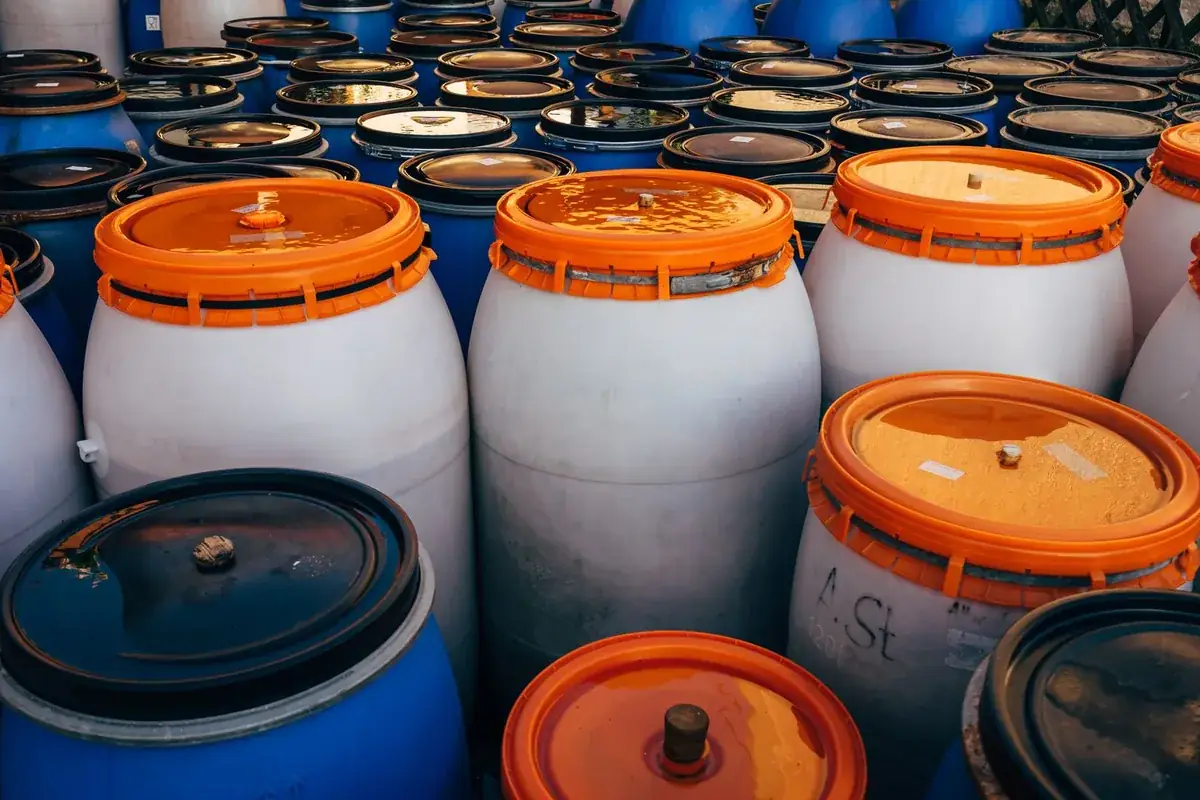
Chemical waste disposal means moving leftover or contaminated chemicals to a facility that can accept them. Waste does not belong in household trash or down a drain, because it can harm people and the environment.
When your Philadelphia property has chemical waste that nobody should touch, you get a team with the gear, absorbents and containers to finish the job safely. Call Philadelphia Biohazard Cleanup Help, and you get plain answers and documentation.
Philadelphia receives about 51 inches of rain a year, and rain can wash spilled chemicals into yards, ditches and drains. About 83% of homes in Philadelphia were built before 1980, and older garages and sheds often hold decades of paint, solvents and pesticides.
Chemical & Toxic Waste Cleanup in Philadelphia usually includes:
Start by telling Philadelphia Biohazard Cleanup Help about the containers, the smell, the location and anyone who has been exposed. The answers shape the plan.
Products are separated by type, such as flammables, corrosives and poisons. Leaking containers are placed in secondary containment right away.
Stained concrete, soaked wood and contaminated fabric are cleaned or removed. The crew rinses and treats tools and surfaces according to the maker's data sheet.
Surfaces are cleaned with methods suited to the substance. Waste is labeled, sorted by type and hauled by the rules that apply.
The cost of chemical & toxic waste cleanup in Philadelphia, PA depends on the amount of material, how it is packed and how it is hauled.
Hauling and packaging count too. Drums, labels, secondary containers and transport are part of lawful waste handling and are priced into the job.
| Type of job | Typical range |
|---|---|
| Hazardous chemicals | $30 - $50 per barrel |
These ranges come from published cost guides (Fixr) and are not a quote for Philadelphia. Price drivers include type of chemical, amount, packaging and transport, disposal fees. For a real number, call (877) 812-4220.
Open a window if it is safe, leave the room and keep people and pets away. Do not vacuum or sweep mercury, since that spreads it. Call Poison Control with questions, and call a cleanup team if the spill is large.
Old or leaking products are a risk. Heat, humidity and age can damage containers, and fumes can build up. If containers are leaking, damaged or unlabeled, have a cleanup team remove them.
Small spills of familiar household products may be manageable with the label's directions. Unknown, large or hazardous spills are not. Never mix products. If in doubt, leave the area, keep people and pets out and call 911 or Poison Control.
Get everyone away from the area, including pets. Call 911 if anyone is in danger, or Poison Control with exposure questions. Do not touch unknown containers or try to wash a spill away. Then call a cleanup team for next steps.
Usually yes. Crews arrive in unmarked vehicles, work quietly and keep the job private. Tell the team at the start if discretion matters, and it will plan around that.
Keep people away and call 911 if there is danger. Cleanup teams place barriers and absorbents to stop the spread and remove contaminated soil or materials where needed. Local fire and health officials can say what must be reported.
Day or night, the call starts with safety.
Call (877) 812-4220